
Energy Efficient Housing Savings for Renters: 2026 Guide
Table of Contents
Why Energy Efficient Housing Matters for Renters
Low-Cost Energy-Saving Tips for Renters
Reducing Heating and Cooling Costs
Checking for Drafts and Air Leaks
Using Space Heaters Safely and Efficiently
How to Lower Electricity Bills in an Apartment
Managing Thermostats and Temperature Settings
Sealing Windows, Doors, Outlets, and Other Gaps
Using Window Film, Curtains, and Other Window Treatments
Renter-Friendly Energy-Saving Upgrades You Can Make
Maintaining Vents, Filters, and HVAC Equipment
Installing LED Lighting and Energy-Efficient Appliances
Questions to Ask Before Renting an Apartment About Utilities
Understanding Your Energy Bill and Usage Patterns
Renter Rights and Lease Terms for Energy Efficiency
Energy-Saving Tips for Renters: A Prioritized Action Plan
Quick Wins for Any Budget
Mid-Range Improvements with Landlord Permission
Long-Term Strategies and Rebates for Renters
Evaluating an Apartment's Energy Efficiency Before You Rent
Conclusion: Making Energy Efficiency Work in Your Rental Home
Frequently Asked Questions
Last Updated: October 10, 2026
Why Energy Efficient Housing Matters for Renters
Energy efficient housing savings for renters isn't just about lower utility bills; it's about control. While landlords control the building, its insulation and often the heating system, renters can take concrete, actionable steps to reduce energy use and lower bills.
Renters can influence energy consumption and cut costs by understanding their bills and knowing which changes deliver real savings. For a renter paying monthly on utilities, even modest reductions compound significantly over a year.
Most renters don't know where to start, what they're allowed to change, or which improvements deliver real savings. This guide covers practical, renter-friendly strategies organized by effort and cost.
Low-Cost Energy-Saving Tips for Renters
The best strategies cost nothing and take minutes to set up, yet address the biggest sources of energy waste in rental apartments.

Reducing Heating and Cooling Costs
Heating and cooling account for the largest share of energy consumption. For renters, the key is managing temperature settings, airflow, and space usage.
Adjust your thermostat down 2-3 degrees Celsius in winter when away or sleeping, and up 2-3 degrees Celsius in summer.
Close doors to rooms you're not using. This simple step concentrates your heating or cooling effort on the spaces where you actually spend time.
Checking for Drafts and Air Leaks
Air leaks force heating or cooling systems to work harder. Identifying them is free and takes 15 minutes.
Check windows, doors, electrical outlets, and light switches for drafts by moving your hand around frames and corners. Gaps here are common and often overlooked.
Seal identified leaks with removable weatherstripping tape, draft stoppers, or temporary caulk available at hardware stores. Temporary solutions work well and can be removed when you move.
Using Space Heaters Safely and Efficiently
Space heaters let you heat only one room, potentially lowering overall energy use, but must be used carefully.
Space heaters consume a significant amount of power. Efficiency gains only materialize if you lower your main thermostat while using the space heater in a single room.
Use a certified (CSA/ULC) heater with tip-over and overheat shut-off, plug it directly into a wall outlet (never an extension cord or power bar), keep it at least 1 metre from anything that can burn, and turn it off when you leave the room or go to sleep. Space heaters are a common cause of home heating fires, so use them carefully.
How to Lower Electricity Bills in an Apartment
Renters can't change utility rates, but they can reduce consumption.
Managing Thermostats and Temperature Settings
Your thermostat is the single biggest lever over your energy bill. Renters who adjust it seasonally see meaningful savings.
In winter, set your thermostat to 18-20°C when home and awake, 15-16°C when away or sleeping, if you control your thermostat (vulnerable people may need it warmer). In summer, set to 24-26°C during occupied hours. These standard recommendations balance comfort and efficiency.
Program smart thermostats automatically or set phone reminders for manual adjustments.
Sealing Windows, Doors, Outlets, and Other Gaps
Electrical outlets and light switches on exterior walls leak cold air and can be sealed.
Outlet seals are inexpensive foam inserts that take 30 seconds to install and reduce air leakage.
Single-pane or older windows leak significantly. Weatherstripping and temporary caulk improve performance and peel off cleanly when you move.
Using Window Film, Curtains, and Other Window Treatments
Windows are responsible for significant heat loss in winter and heat gain in summer. Window treatments are a renter-friendly way to reduce this.
Thermal curtains or cellular shades reduce heat transfer.
Temporary window film adheres without permanent adhesive and can be removed cleanly. Reflective film reduces summer heat gain; insulating film reduces winter heat loss.
Heavy rugs insulate floors and reduce cold air movement. Furniture arranged to block drafts concentrates warmth where you sit.
Renter-Friendly Energy-Saving Upgrades You Can Make
Some upgrades are possible even as a renter. They're low-cost, are usually allowed, and can be removed when you leave.
Maintaining Vents, Filters, and HVAC Equipment
Check air filters monthly if you have access. Clogged filters force systems to work harder and use more energy.
Ask your landlord to check filters if you can't access them. Clean filters improve efficiency and indoor air quality.
Keep vents and returns clear of obstructions. Moving furniture away from return vents improves airflow.
Installing LED Lighting and Energy-Efficient Appliances
ENERGY STAR certified LED bulbs use at least 75% less energy than incandescent bulbs. Replace standard bulbs with LEDs; this is allowed in virtually every lease and savings appear immediately.
When choosing apartments, ask about appliance age and efficiency. A newer, efficient refrigerator can reduce electricity use compared to older models.
Efficient small appliances like electric kettles and microwaves use less energy than older versions.
Questions to Ask Before Renting an Apartment About Utilities
Asking the right questions about apartments upfront prevents surprises and helps estimate true cost of living.
Understanding Your Energy Bill and Usage Patterns
Before signing a lease, ask for the previous tenant's utility bills or average monthly costs. Bills vary dramatically based on building age, insulation, window quality, and heating system.
Ask what utilities are included in rent and what you pay separately. These differences can change your monthly costs significantly.
Request information about the utility provider and whether the apartment uses a smart meter. Ontario's smart meters let you see your hourly usage online, usually by the next day.
Renter Rights and Lease Terms for Energy Efficiency
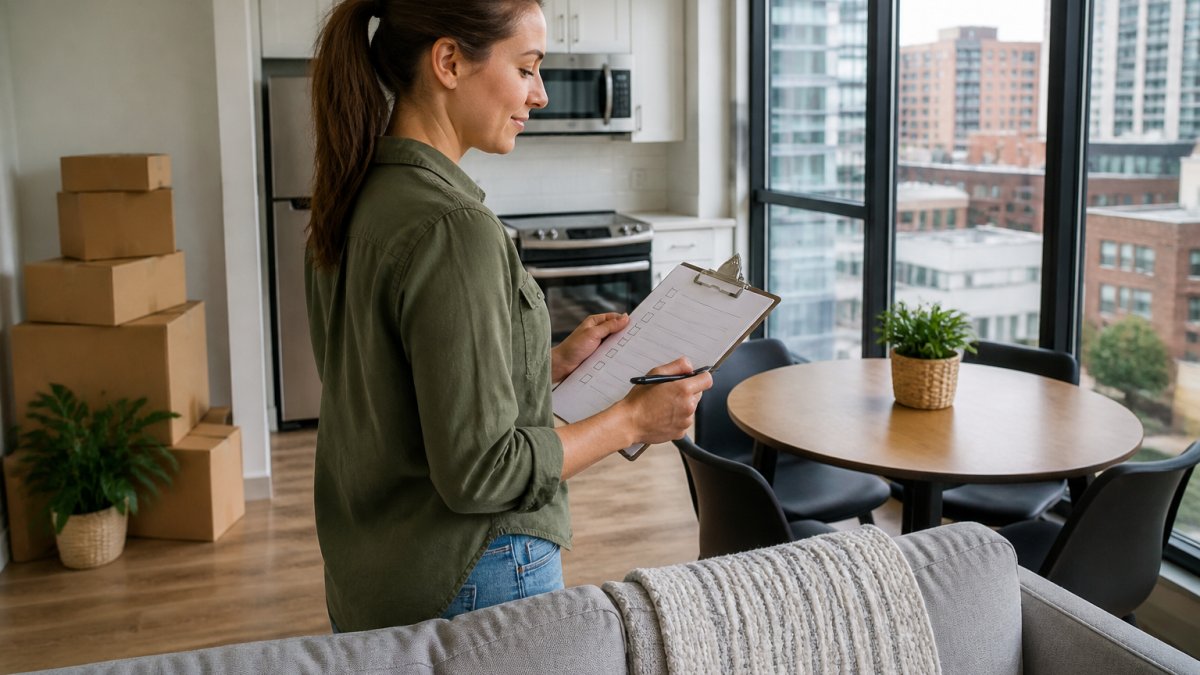
Your lease should clarify what you're allowed to modify. In many jurisdictions, renters can install weatherstripping, temporary caulk, and removable window treatments without approval, but lease language varies.
Weatherstripping and removable caulk are usually low-risk, but check your lease and ask your landlord first. Permanent caulk or adhesive that leaves residue may violate your lease.
Ask your landlord in writing about specific improvements and document approval.
Energy-Saving Tips for Renters: A Prioritized Action Plan
The challenge for most renters isn't knowing what to do, it's knowing where to start. Not all energy-saving actions deliver the same return on effort or cost. Here's how to prioritize based on your situation and budget.
Quick Wins for Any Budget
These actions cost nothing or almost nothing and take less than an hour to complete:
Adjust your thermostat down 2-3 degrees Celsius in winter and up 2-3 degrees Celsius in summer. This alone can noticeably reduce heating and cooling costs.
Close doors to unused rooms and close thermal curtains or blinds at night in winter and during the day in summer.
Check for drafts around windows and doors by feeling for air movement. Seal visible gaps with removable weatherstripping.
Replace incandescent bulbs with LEDs in fixtures you control.
Clear vents and returns of obstructions to improve airflow.
Unplug chargers and devices when not in use. Phantom loads from always-on devices add up.
These six actions are free or low-cost and can reduce your energy bill depending on your starting point.
Mid-Range Improvements with Landlord Permission
If you're willing to spend a little and get landlord approval, these upgrades deliver visible savings:
Install thermal curtains or cellular shades on south-facing or west-facing windows. Savings can be seen in heating and cooling costs.
Apply temporary window film to windows with poor insulation. Cost: typically inexpensive.
Install outlet seals and switch plate insulators on exterior walls. Cost: low.
Ask your landlord about a programmable thermostat; any installation should be done by the landlord or a qualified electrician. Savings can be seen in heating and cooling costs if used consistently.
These improvements are removable and require no permanent damage to the unit.
Long-Term Strategies and Rebates for Renters
If you're staying in your apartment for a year or longer, consider these longer-term approaches:
Research utility rebates and incentives in your area. Many utility companies offer rebates for LED bulbs, efficient appliances, or weatherization. Check with your local utility provider. Natural Resources Canada keeps a searchable directory of energy-efficiency programs by province.
Ask your landlord about upgrading to a more efficient furnace, water heater, or air conditioner. Frame it as a cost-saving investment for them. If they upgrade, your energy bills drop.
Track your energy consumption monthly. Understanding your patterns helps you identify what's driving costs and where to focus your efforts.
Long-term strategies require patience and landlord cooperation, but they can reduce your energy bills over time.
Evaluating an Apartment's Energy Efficiency Before You Rent
The most effective energy-saving strategy is choosing an efficient apartment in the first place. Before you sign a lease, assess the building's energy performance.
Look for buildings with newer insulation, double-glazed windows, and modern heating and cooling systems. Ask the landlord when the building was last upgraded.
If available, ask about the building's EnerGuide rating or energy certification. EnerGuide ratings are a standardized measure of a home's energy performance.
Compare apartments side by side using the previous tenant's utility bills as a guide.
Conclusion: Making Energy Efficiency Work in Your Rental Home
Renters face a genuine constraint: they don't own the building and can't make major upgrades. But that constraint is narrower than it feels.
The most important step is understanding your energy bill and your building's performance. From there, prioritize quick wins first, then move to mid-range improvements with landlord permission.
At FoxySuites, our 50 Castleton Avenue property, for example, is EnerGuide Certified at 27 GJ/year with on-site renewable electricity. Energy-efficient homes generally use less energy, which can mean lower bills for renters who pay their own utilities. Learn more about sustainable housing practices to understand the broader benefits of energy efficiency in rental homes.
Contact FoxySuites today to explore furnished rentals with utilities and high-speed internet included in the rent.
Energy efficient housing savings for renters is achievable through a combination of immediate actions, strategic upgrades, and informed choices about where you live. Over time, these steps compound into meaningful savings that improve both your finances and your living environment. Natural Resources Canada's energy efficiency resources for renters provide additional guidance on rebates and programs available to you.
Frequently Asked Questions
How can renters save energy without making permanent changes?
Renters can reduce energy consumption through temporary, non-invasive actions: adjusting thermostat settings by 2–3 degrees, using thermal curtains to block heat loss, sealing drafts around outlets with removable caulk, unplugging phantom loads, switching to LED bulbs in portable fixtures, and using window film during winter. These changes are usually allowed and leave no trace when you move, but check your lease first.
What are the easiest ways to lower electricity bills in an apartment?
Start with behavior changes: run appliances during off-peak hours if your utility offers time-of-use rates, air-dry dishes instead of using the heat cycle, take shorter showers, and use cold water for laundry. Next, reduce phantom power by unplugging devices or using power bars. Finally, switch to LED lighting and ensure your heating and cooling equipment runs efficiently by keeping filters clean and vents unobstructed.
Can renters ask their landlord to make energy-efficiency improvements?
Yes. In Ontario, landlords must keep the unit and the systems they provide, such as heating, in a good state of repair. You can request improvements in writing, citing energy bills or comfort issues. Some landlords may agree if improvements reduce their long-term operating costs or qualify for rebates. Document all requests and keep copies for your records.
Which energy-saving upgrades are usually renter-friendly?
Removable upgrades include window film, thermal curtains, weatherstripping on doors and windows, removable caulk for outlet gaps, LED bulb replacements. Avoid permanent changes like painting, installing new fixtures, or removing existing appliances. Always check your lease and ask your landlord before making any changes, even temporary ones, to avoid lease violations.
Are there energy-saving programs or rebates available to renters?
Many regions offer rebates and assistance programs for renters. Some utilities provide rebates on LED bulbs or efficient appliances. Check with your local utility company and provincial energy programs for renter-specific incentives. Some programs require landlord participation, so coordinate with your property manager.
How can I tell if an apartment is energy efficient before renting?
Look for EnerGuide certification labels, which rate homes on energy performance. Ask the landlord about insulation, window type (double-glazed is more efficient), HVAC age and maintenance, and recent utility bills from previous tenants. Inspect for drafts, gaps, and signs of moisture. Request details on heating and cooling systems. During a viewing, note natural light and ventilation quality, which affect heating and cooling needs.
CONTACT US AND INQUIRE TODAY!
Disclaimer: This article is for general information only and is not legal, tax, financial or professional advice. It was written with the help of AI tools and reviewed by our team, but it may contain errors, and laws, prices and company policies change. Information about other companies is based on what was publicly available at the time of writing; contact them directly for their current terms. Before making decisions, check official sources such as the Landlord and Tenant Board or speak with a qualified professional. FoxySuites rental terms, pricing and availability are set out in your lease agreement and may change.

Comments